
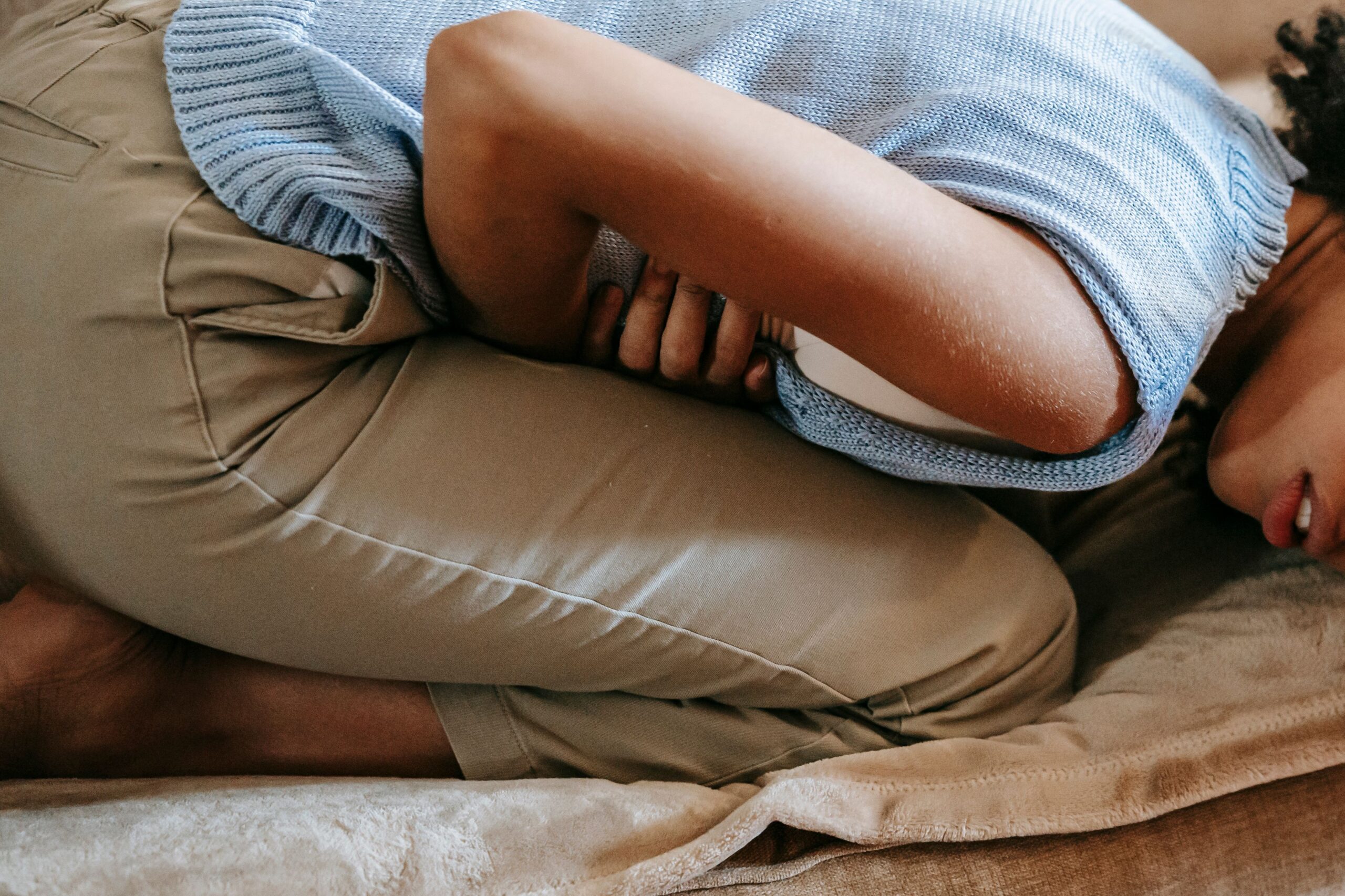
Hormonal bloating before your period is one of the most consistent and frustrating parts of the monthly cycle for many women. Everything feels fine, and then around a week before your period arrives your stomach puffs up, your jeans stop fitting, and you feel heavy and uncomfortable for days. If you have wondered whether this is genuinely hormonal or just something you are imagining, the answer is clear: hormonal bloating before your period is a real, well-documented physiological response. And there are specific things that drive it.
What Causes Hormonal Bloating Before Your Period
The hormonal changes in the second half of your cycle directly affect how your digestive system and body manage fluid and gas.
Progesterone and Gut Slowdown
After ovulation, progesterone rises significantly. Progesterone is a smooth muscle relaxant, which means it slows down the muscular contractions that move food and gas through your intestines. Slower gut motility means longer fermentation time, which means more gas production. This is the primary driver of hormonal bloating before your period. The gut is doing the same things it always does, just more slowly, and gas has more time to build up.
Estrogen, Water Retention, and the Puffiness You Feel
As progesterone rises, estrogen shifts in the days leading up to menstruation. Lower estrogen levels in the late luteal phase trigger water retention in many women. This is why the bloating before your period often feels different from digestive bloating. It includes a puffiness in the abdomen, face, and hands that comes from fluid, not gas. The number on the scale might go up two or three pounds without any real weight gain. It is mostly fluid, and it disappears within a day or two of your period starting.
Prostaglandins and Gut Cramping
In the days just before menstruation, the body produces prostaglandins, which are chemicals that trigger uterine contractions. These same chemicals affect the gut, causing intestinal cramping, changes in bowel habits, and additional bloating. This is why many women experience a combination of abdominal pain, loose stools, and significant bloating in the 24 to 48 hours before their period begins.
What Makes Hormonal Bloating Before Your Period Worse
Diet Choices in the Luteal Phase
High-sodium foods cause water retention to worsen significantly during this phase. Processed snacks, takeout food, deli meats, and packaged meals all contain far more sodium than home-cooked food. Refined carbohydrates and sugar cause insulin spikes that signal the kidneys to retain sodium, amplifying fluid retention. Alcohol causes inflammation and additional water retention, with a noticeably stronger effect in the week before your period than at other times of the month.
Skipping Movement
Exercise stimulates gut motility and helps the body manage fluid more efficiently. Many women feel too uncomfortable to move during the luteal phase, which creates a cycle where reduced movement worsens the bloating. Even gentle walking for 20 to 30 minutes each day makes a measurable difference in how severe hormonal bloating before your period becomes.
What Actually Reduces Hormonal Bloating Before Your Period
Reduce Sodium in the 10 Days Before Your Period
This is the most effective single dietary change for pre-period bloating. Cook more meals at home, read labels on anything packaged, and avoid obvious high-sodium options. Many women notice a significant reduction in bloating within one or two cycles of making this change consistently in the luteal phase.
Magnesium and Hydration
Magnesium helps relax the gut, reduce water retention, and ease muscle cramping. Most women do not get enough of it from food. Dark chocolate, pumpkin seeds, spinach, and almonds are good food sources. A magnesium glycinate supplement taken in the 10 days before your period helps many women with hormonal bloating before period symptoms. Staying well hydrated reduces the body’s tendency to retain fluid, which is counterintuitive but true.
Supporting Gut Health Year-Round
The gut microbiome affects how the body processes and excretes estrogen. When certain bacterial strains are depleted, estrogen gets reabsorbed rather than eliminated, which amplifies hormonal fluctuations and worsens bloating. A women’s probiotic like Finessa supports the specific gut bacteria involved in estrogen metabolism, reducing the hormonal swings that drive pre-period bloating over time. Research on the gut-hormone connection is summarized at Healthline.
Track the Pattern
Note in your calendar when bloating starts and peaks each month. Most women find it begins around day 19 to 21 of a 28-day cycle and eases within one to two days of their period starting. Once you see the pattern clearly, you can adjust your diet and movement proactively rather than reacting after the bloating has already set in.
Summary: What to Do
- Reduce sodium intake starting 10 days before your expected period
- Take magnesium glycinate in the second half of your cycle
- Drink at least 8 glasses of water daily, more if active
- Keep moving even gently throughout the luteal phase
- Support gut bacteria to help regulate estrogen processing
- Track your cycle to prepare in advance rather than react
Hormonal bloating before your period is real, predictable, and manageable. You are not imagining it, and you do not have to just push through it every single month.
This post contains affiliate links. If you purchase through them, I may earn a small commission at no extra cost to you.