
This post contains affiliate links. If you purchase through them, I may earn a small commission at no extra cost to you.
You eat a completely normal dinner. Nothing heavy, nothing new. An hour later your jeans feel two sizes too small, and you’re doing that thing where you unbutton them on the couch and promise yourself you’ll figure it out tomorrow.
If you’ve already tried cutting out the usual suspects, dairy, gluten, beans, and the bloating keeps showing up anyway, there’s a question worth asking. What if the problem isn’t what you’re eating, but how well your body is breaking it down?
That’s where digestive enzymes come in. I kept running into them while researching gut health for this site, and the more I read, the more it made sense why so many women feel stuck. So let’s talk about what enzymes actually do, how to tell if they’re part of your bloating story, and what to look for if you decide to try them.
What Digestive Enzymes Actually Do
Digestive enzymes are proteins your body makes to break food into pieces small enough to absorb. Your saliva, your stomach, your pancreas, and your small intestine all produce them. Amylase handles carbohydrates. Protease works on protein. Lipase takes care of fat. Lactase breaks down the sugar in dairy.
When everything works, food gets dismantled quietly and you never think about it. When something slows down, larger food particles travel further along your gut than they should. The bacteria living there are happy to finish the job for you, and their way of doing it produces gas. That gas is the pressure, the tightness, the “why do I look six months pregnant” feeling by evening.
Here’s the part I found most interesting: enzyme production isn’t fixed for life. It can dip with age, which is one reason meals you handled fine at 25 sit differently at 45. Chronic stress plays a role too, because your body puts digestion on the back burner when it thinks there are bigger problems to deal with. And hormonal shifts, especially in the years around perimenopause, change how the whole digestive system behaves.
If most of your bloating shows up within an hour of eating, I wrote about that pattern separately in my post on bloating after eating, and it pairs well with this one.
Signs Your Bloating Might Be Enzyme-Related
Not all bloating comes from the same place. These clues point toward digestion itself being the weak link:
- Bloating starts within an hour of a meal. Not the next day, not randomly, but reliably after eating.
- Heavy meals hit hardest. Big portions of protein or fried food leave you uncomfortable for hours.
- You feel full fast. A normal plate feels like too much halfway through.
- Dairy is a repeat offender. Milk, ice cream, and soft cheeses cause gas that hard cheeses don’t.
- You notice undigested food. Not the most glamorous clue, but one of the clearest.
If you nodded at two or more of these, digestion support is worth exploring before you cut yet another food group out of your life.
What Makes It Worse
A few everyday habits quietly work against your enzymes:
- Eating fast. Chewing is the first stage of digestion, and skipping it hands your gut a job it wasn’t built for.
- Eating stressed. Lunch at your desk during a tense day sends blood away from your digestive system exactly when it needs it.
- Ice-cold drinks with meals. Some women find that large amounts of cold liquid during a meal make the heaviness worse.
- Late heavy dinners. Digestion slows down in the evening, so your biggest meal lands when your body is least ready.
None of these mean you’re doing life wrong. They’re just levers, and small adjustments can take real pressure off your gut.
Food First: Natural Ways to Support Your Enzymes
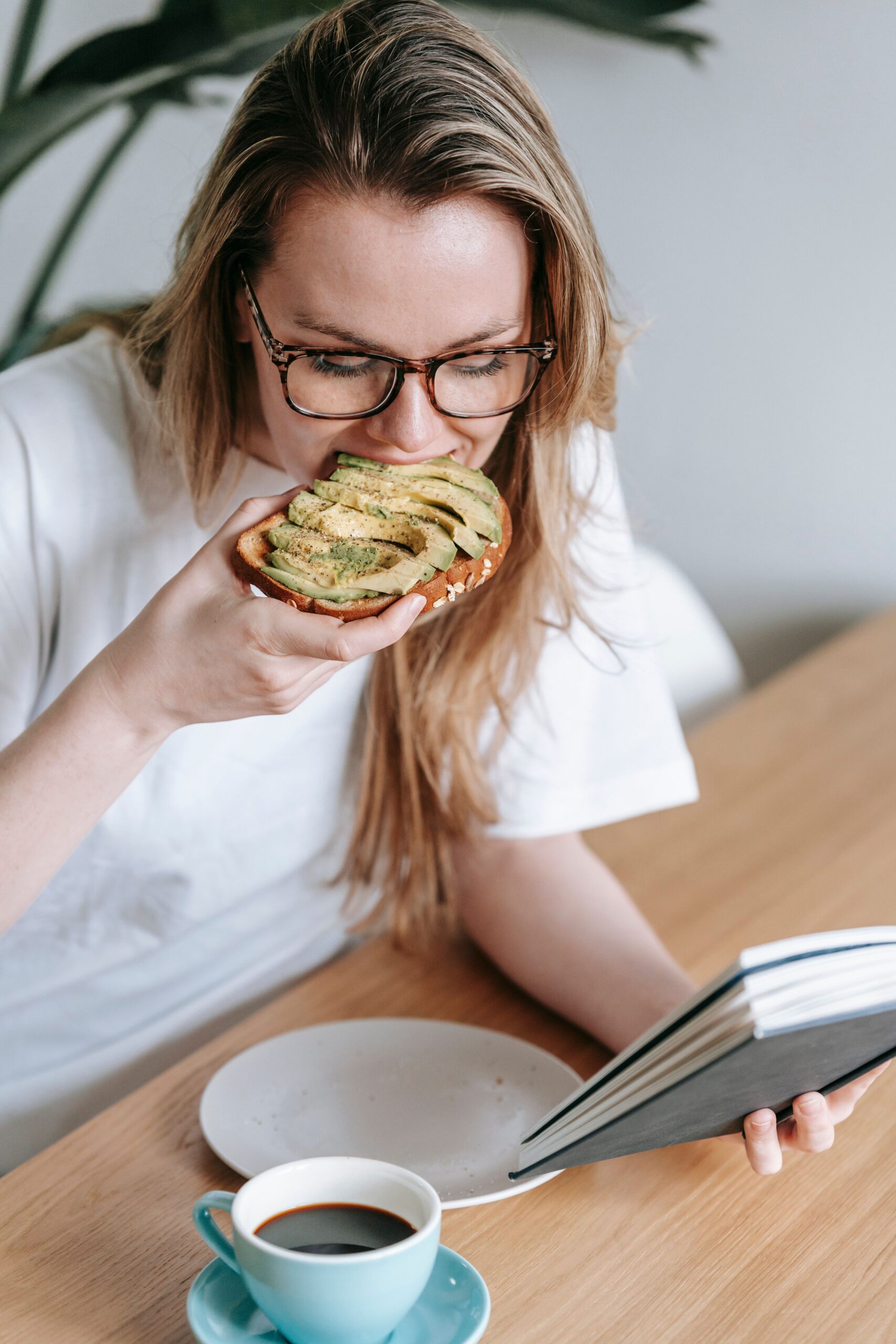
Before supplements, your kitchen has options. Pineapple contains bromelain and papaya contains papain, two natural enzymes that help break down protein. Mango, banana, and avocado bring their own. Fermented foods like sauerkraut, kimchi, and kefir support the bacterial side of digestion, which works hand in hand with your enzymes.
And the least exciting advice that actually matters: slow down. Chewing each bite properly is free enzyme support you can start using tonight. Some women find that a short walk after dinner helps too.
What About Enzyme Supplements?
Enzyme supplements can help, but the market is messy, so here’s what I learned to look for:
- A broad-spectrum formula that covers carbs, protein, and fat, not just one.
- Clear doses on the label. If everything hides inside a “proprietary blend”, keep walking.
- Taken with the first bites of a meal, not after the bloating already started.
- Realistic expectations. Enzymes help most when symptoms show up right after eating. They’re a tool, not magic.
One more thing I have to be honest about. Enzymes handle the breakdown of digestion, but for many women, bloating has a second layer: the balance of gut bacteria and the gut-liver connection that keep the whole system moving. When I put together my full review of gut health supplements for women, the product I kept coming back to was Finessa, mostly because it targets that deeper layer instead of only chasing symptoms. If bloating has been your normal for months, it’s worth reading the full review and seeing if that piece fits your story.
Quick Tips to Start Today
- Chew each bite until it’s actually soft. Boring, free, effective.
- Front-load your day: make lunch the bigger meal and keep dinner lighter.
- Add one enzyme-rich food daily, like pineapple, papaya, or a spoonful of sauerkraut.
- If you try an enzyme supplement, take it at the start of the meal and give it two weeks before judging.
- Track when the bloating starts. Right after meals points to digestion; random timing points elsewhere.
You’re Not Broken, Your Digestion Is Just Asking for Backup
Bloating after meals is one of the most common things women write to me about, and almost every one of them has spent years blaming herself for eating “wrong”. You’re not imagining it, and you’re not failing. Sometimes the body just needs help with the breaking-down part.
Start with the food-first steps this week. If you want to go deeper on figuring out your personal triggers, my free Bloating Trigger Checklist walks you through the most common ones in about two minutes. Small steps, real relief. That’s the whole philosophy here.