
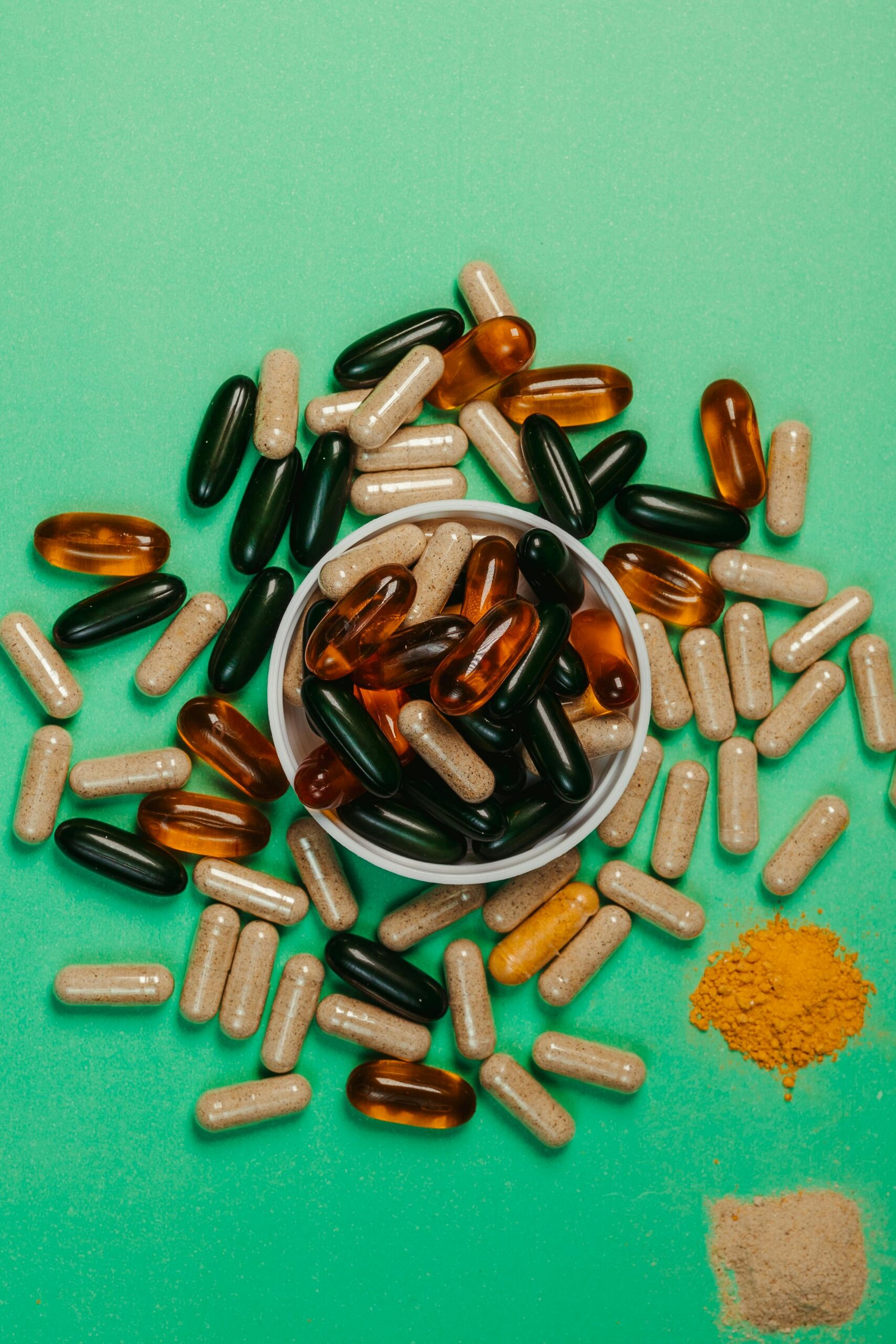
Best gut health supplements for women are not all created equal, and most women waste money on products that don’t address the real problem. If you’ve been dealing with bloating, sluggish digestion, or that uncomfortable heaviness after meals, the right supplements can make a meaningful difference. But the keyword is “right.” In this guide, we break down what the research actually supports, what to look for, and what to skip.
Why Gut Health Supplements Matter for Women
Women’s digestive systems are uniquely sensitive to hormonal shifts, stress, and dietary changes. Research consistently shows that women experience higher rates of bloating, IBS, and constipation than men, and the reasons are largely hormonal and microbiome-related.
The gut microbiome in women responds differently to estrogen and progesterone throughout the cycle. This means that supporting gut health isn’t just about digestion; it directly affects energy, mood, skin, and immune function. The right supplements work with this biology, not against it.
The Best Gut Health Supplements for Women (Ranked by Evidence)
1. Probiotics
Probiotics are the most researched gut health supplement for women. Specific strains, particularly Lactobacillus acidophilus and Bifidobacterium longum, have clinical evidence supporting their use for bloating, irregular bowel movements, and IBS symptoms. The key is strain specificity: a generic “probiotic blend” with no listed strains is unlikely to deliver meaningful results.
What to look for: at least 10 billion CFU, refrigerated or enteric-coated capsules, and strains that match your specific symptoms.
2. Digestive Enzymes
Digestive enzymes are one of the most underrated supplements for women dealing with bloating after meals. They work by breaking down food more efficiently before it reaches the large intestine, resulting in less fermentation, gas, and bloating.
Women who struggle specifically with bloating after eating often produce insufficient amounts of certain enzymes, particularly lipase (for fats), amylase (for carbohydrates), and protease (for protein). A broad-spectrum digestive enzyme taken with meals can significantly reduce post-meal discomfort within days — not weeks.
3. Prebiotics
Prebiotics are the fibers that feed beneficial gut bacteria. Without adequate prebiotics, even the best probiotic supplement will underperform because the bacteria need fuel to survive and multiply. Common prebiotic sources include inulin, fructooligosaccharides (FOS), and green banana flour.
For women specifically, prebiotics have shown benefits beyond digestion: they support estrogen metabolism, help regulate bowel movements, and reduce inflammatory markers in the gut lining. If you’re already taking a probiotic, adding a prebiotic is the logical next step.
4. Magnesium
Magnesium is not typically marketed as a gut health supplement, but it should be. Magnesium citrate, in particular, draws water into the intestines, softening stool and stimulating bowel movements without the harsh cramping associated with laxatives. It is also one of the most common deficiencies in women.
Beyond constipation relief, magnesium plays a role in regulating the gut-brain axis, which directly affects how stress impacts digestion. Women who experience stress-related bloating or IBS flares often see significant improvement with consistent magnesium supplementation.
5. Dandelion Root and Milk Thistle
Most gut health guides skip these two entirely, which is a mistake. Dandelion root and milk thistle work on the liver side of the gut-liver axis, the overlooked connection that drives chronic bloating in many women.
Dandelion root stimulates bile production, which improves fat digestion and reduces the sluggish, heavy feeling after meals. Milk thistle contains silymarin, a compound with strong evidence for protecting and supporting liver cell regeneration. When the liver is under stress from alcohol, processed foods, or hormonal load, digestion suffers directly. Addressing liver function is often the missing piece for women who have tried probiotics and fiber without lasting results.
If you want to understand how the gut-liver connection drives bloating, we cover it in detail in our post on the gut-liver connection and bloating.
What to Avoid When Choosing a Gut Health Supplement
The supplement industry is largely unregulated, and the gut health category is flooded with products that overpromise and underdeliver. Here is what to watch for:
Proprietary blends with no listed doses. If a label says “Digestive Support Blend 500mg” without breaking down individual ingredients, you have no way of knowing whether any single ingredient is present in a meaningful amount.
Single-strain probiotics marketed as complete solutions. One strain cannot address the complexity of the gut microbiome. Look for multi-strain formulas with clearly listed CFU counts per strain.
Supplements that only target symptoms. Bloating relief that comes from simethicone or activated charcoal may reduce gas temporarily but does nothing for the underlying imbalance. The goal is to support gut function long-term, not just mask discomfort.
How to Choose the Right Supplement for Your Symptoms
Not every woman needs the same supplement stack. The most effective approach is to match the supplement to the symptom pattern:
If your main issue is bloating after meals, start with digestive enzymes. If you struggle with constipation and irregular bowel movements, magnesium citrate and prebiotics are the priority. If your bloating is chronic and not clearly tied to specific foods, the gut-liver axis is likely involved. Dandelion root, milk thistle, and a quality probiotic are the foundation. If you experience bloating that worsens around your cycle, hormonal fluctuations are affecting your gut microbiome. A multi-strain probiotic with Lactobacillus strains is the most evidence-based starting point.
For a deeper look at which foods make bloating worse and which support gut recovery, see our guide for foods that cause bloating in women.
A Supplement That Combines All of This
Most women don’t want to take five separate supplements every day. The practical alternative is a formula that addresses multiple pathways at once: gut bacteria, liver support, digestion, and inflammation.
Finessa is a daily gut health powder that combines probiotics, dandelion root, milk thistle, turmeric, cascara sagrada, and polyphenols in one formula. It is specifically designed around the gut-liver axis, which makes it different from standard probiotic supplements that only address one side of the equation.
It is not a laxative and not a quick fix. It is a formula designed to support gut and liver function together, which is why women who have tried probiotics alone without results often find it more effective.
Final Thoughts
The best gut health supplements for women are the ones that match your specific symptoms and address the root cause rather than masking it. Probiotics, digestive enzymes, prebiotics, magnesium, dandelion root, and milk thistle all have solid evidence behind them. The question is which combination is right for you.
If you are looking for a starting point that covers multiple bases without managing a complicated supplement routine, read our full Finessa review to see if it fits what you are dealing with.
Frequently Asked Questions
What is the best gut health supplement for women with bloating?
Probiotics and digestive enzymes are the most evidence-based starting points for bloating. Women with chronic bloating that is not tied to specific foods may also benefit from liver-supporting herbs like dandelion root and milk thistle.
How long does it take for gut health supplements to work?
Digestive enzymes work immediately within the same meal. Probiotics typically require 2 to 4 weeks of consistent use before noticeable changes in bloating or bowel regularity. Liver-supporting herbs like dandelion root and milk thistle work more gradually over 4 to 8 weeks.
Are gut health supplements safe for women?
Most gut health supplements are safe for healthy adults. Women who are pregnant, breastfeeding, or taking medication should consult a healthcare provider before starting any new supplement. As with all supplements, quality and dosage matter. Always choose products with clearly listed ingredients and doses.
Sources
This article references research and expert guidance from Healthline: Best Probiotic Supplements