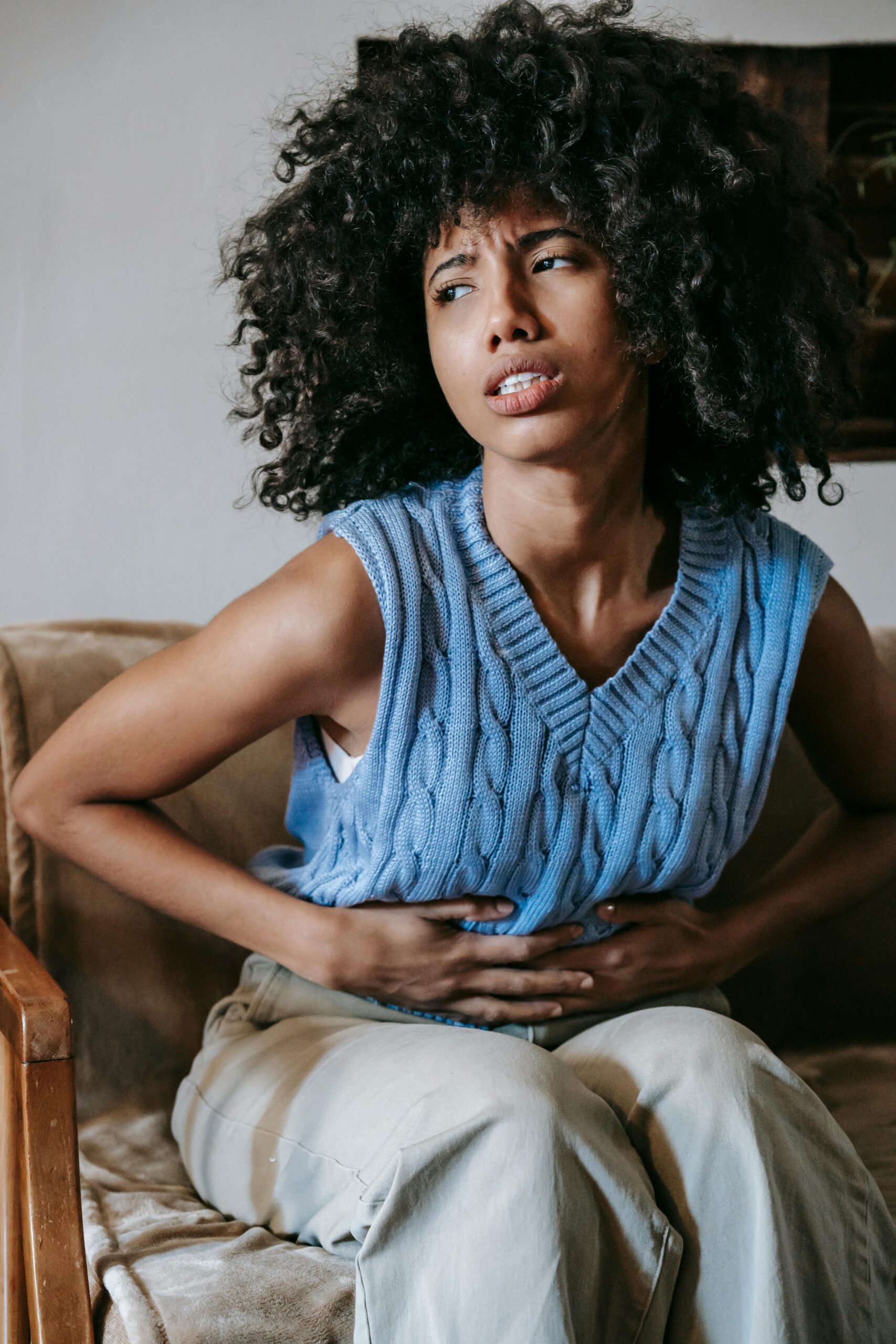
Bloating and constipation in women are more than just uncomfortable, they’re exhausting. You wake up feeling fine, and by afternoon, your stomach is tight and heavy, and nothing seems to help. If this sounds familiar, you’re not alone. Studies show that women experience these symptoms significantly more often than men, and the reasons go deeper than just what you ate for lunch.
Why Women Bloat More Than Men
It’s not your imagination. Women are biologically more prone to bloating and constipation due to hormonal fluctuations throughout the month. Estrogen and progesterone directly affect how fast food moves through your digestive tract. During the luteal phase, the week before your period, progesterone slows gut motility, which means food sits longer, ferments more, and produces more gas. This is why so many women feel their worst in the days leading up to their period.
The Most Common Causes of Bloating and Constipation in Women
There’s rarely one single cause. Most women are dealing with a combination of factors: a diet high in processed foods, chronic low-grade stress, disrupted gut bacteria, and hormonal shifts. Common triggers include high-FODMAP foods like onions, garlic, and beans, dairy, gluten sensitivity, not drinking enough water, and a sedentary lifestyle. The tricky part is that some of the healthiest foods, like broccoli, lentils, and apples, can also be major bloat triggers if your gut isn’t processing fiber efficiently.
What's Actually Happening in Your Gut
When digestion slows down, undigested carbohydrates reach the large intestine, where gut bacteria ferment them, producing hydrogen, methane, and carbon dioxide. The result is gas, pressure, and that familiar tight, distended feeling. For women with an imbalanced gut microbiome, this process is even more pronounced. Constipation compounds the problem: the longer stool sits in the colon, the more gas builds up with nowhere to go.
The Gut-Liver Connection Most Women Don't Know About
Your liver plays a direct role in how bloated you feel. It produces bile, which is essential for breaking down fats and keeping digestion moving. When the liver is sluggish due to processed foods, alcohol, or toxin overload, bile production slows, digestion stalls, and bloating worsens. At the same time, the gut and liver are in constant communication through the portal vein. An unhealthy gut sends inflammatory signals directly to the liver, and a stressed liver sends back signals that disrupt the gut lining. It’s a cycle that’s hard to break without addressing both sides.
Foods That Make Bloating and Constipation Worse
Some foods are obvious culprits: carbonated drinks, chewing gum, and fried food. But others surprise people. Cruciferous vegetables like broccoli, cauliflower, and Brussels sprouts are extremely healthy but produce significant gas during digestion. Beans and lentils are high in fermentable fibers that gut bacteria love, and that fermentation means gas. Dairy is a problem for a large percentage of women who have some degree of lactose intolerance without even realizing it. Sugar alcohols found in “sugar-free” products like xylitol and sorbitol are among the worst offenders, pulling water into the gut and causing both bloating and diarrhea.
Natural Remedies for Bloating and Constipation in Women
The good news is that most cases of bloating and constipation in women respond well to targeted changes. Increasing water intake is the single most underrated fix. The large intestine draws water out of stool, and even mild dehydration leads to harder, slower-moving stool. Magnesium, particularly magnesium citrate, has strong evidence behind it for relieving constipation without harsh laxative effects. Ginger and peppermint have both been shown in clinical studies to relax the digestive tract and reduce gas. And movement matters; even a 20-minute walk after meals measurably speeds up gut motility.
The Role of Probiotics and Gut Support Supplements
A disrupted gut microbiome is at the root of chronic bloating for many women. Probiotics, particularly strains like Lactobacillus acidophilus and Bifidobacterium longum, have clinical evidence supporting their use for bloating, constipation, and IBS symptoms. But probiotics work best when paired with prebiotics, the fibers that feed good bacteria. Beyond probiotics, herbs like dandelion root support bile flow and liver function, while milk thistle has been studied for its ability to protect and regenerate liver cells, both of which directly impact digestion and bloating.